
Leg cramps can turn a simple night into a marathon of pain. This common problem among seniors, often benign but very uncomfortable, frequently results from minor nutritional imbalances. The good news? A more targeted diet and a few good habits can truly make all the difference.
Here are the 8 key vitamins and minerals to prevent cramps, strengthen muscles and rediscover the pleasure of walking without pain.
Vitamin D – The ally of muscle strength

Sources: oily fish (salmon, sardines), eggs, fortified dairy products… and above all, sunlight.
Tip: Expose your arms or legs for 15 minutes a day, or ask your doctor if supplementation is helpful in winter.
Magnesium – The mineral that relaxes
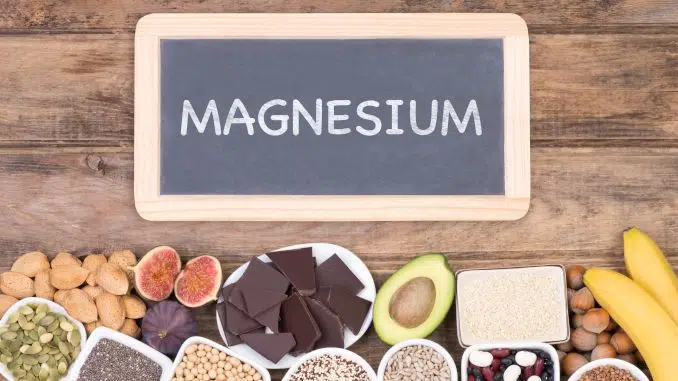
It’s the champion of muscle relaxation. It helps regulate contractions and soothes tension.
Natural sources: leafy green vegetables, almonds, walnuts, whole grains, bananas.
Bonus tip: a warm foot bath with Epsom salt (rich in magnesium) relaxes the calves before bedtime.
Potassium – For harmonious contractions
This mineral maintains the balance between muscle contraction and relaxation.
Where to find it? Bananas, sweet potatoes, tomatoes, avocados, spinach.
Caution: If you are taking diuretics or heart medication, consult your doctor before taking any supplements.
Calcium – The ally of bones… and muscles
It is known for its effects on bone strength, but it is also essential for nerve transmission and proper muscle function.
Sources: milk, yogurt, cheese, fortified plant-based drinks, broccoli, almonds.
Tip: always combine it with vitamin D for better absorption.
Vitamin B1 (thiamine) – For well-connected nerves
This B vitamin supports communication between the nervous system and muscles.
Natural sources: whole grains, sunflower seeds, pork, lentils.
Signs of deficiency: frequent cramps, tingling in the legs or unexplained fatigue.
Vitamin B6 – Nerve and muscle balance
It promotes the production of neurotransmitters and improves coordination.
Where to find it? Chickpeas, fish, poultry, bananas.
The right approach: opt for a B vitamin complex to maintain a natural balance without excess.
Vitamin B12 – For numbness
Often insufficient with age, it protects the nerve sheath (myelin) and improves the circulation of oxygen to the muscles.
Sources: meat, eggs, dairy products, or supplements for vegetarians and people with malabsorption.
Warning signs: tingling, “cottony” legs, persistent fatigue.
Iron – The energy that flows
Iron transports oxygen to every cell, including muscles. A deficiency can lead to fatigue and cramps.
Sources: red meat, lentils, spinach, fortified cereals.
Tip : combine your iron-rich foods with a source of vitamin C (orange, kiwi, bell pepper) to triple its absorption.A few simple steps to prevent cramps

- Drink regularly throughout the day.
- Stretch your legs before going to bed.
- Walk or cycle for a few minutes to get the circulation going again.
- Massage your calves with a light oil after showering.
Leg cramps are not an inevitable consequence of aging. By adopting a varied, nutrient-rich diet, you can regain more flexible, stronger, and lighter legs.
Because at any age, movement remains the most beautiful sign of vitality.


0 Comments:
Enregistrer un commentaire