dimanche 8 février 2026

6 Proven Ways to Degrease Your Electric Fryer and Bring Back Its Shine

by


6 Proven Ways to Degrease Your Electric Fryer and Bring Back Its Shine

Introduction
Electric fryers are a kitchen staple for crispy, golden meals—but they quickly accumulate grease that can affect performance and food safety. Regular cleaning keeps your fryer efficient, safe, and looking like new. Here are six tested methods to degrease and refresh your fryer.

1. Baking Soda and Vinegar Soak

  • Best for: Mild to moderate grease buildup

  • Why it works: The chemical reaction naturally breaks down grease

How to do it:

  1. Pour 1 cup of baking soda into the fryer tray.

  2. Add 1 liter of boiling water and 1 cup of white vinegar.

  3. Let sit for 1 hour to loosen grime.

  4. Pour out the solution and rinse with more boiling water.

  5. Wipe dry with paper towels

Eco-friendly and safe for most surfaces.

2. Commercial Degreaser Application

  • Best for: Stubborn, stuck-on grease

  • Why it works: Designed for deep grease penetration

How to do it:

  1. Unplug and cool the fryer.

  2. Apply a commercial degreaser according to instructions.

  3. Let sit for the specified time.

  4. Scrub with a non-abrasive sponge.

  5. Rinse thoroughly and dry

Tip: Wear gloves and ventilate the workspace.

3. Boil-Out Method

  • Best for: Heavy-duty, deep cleaning

  • Why it works: Breaks down layers of built-up residue; widely used in commercial kitchens

How to do it:

  1. Drain oil and remove food debris.

  2. Fill fryer with water to the oil line and add a boil-out cleaner.

  3. Heat to a simmer and run as directed.

  4. Turn off, cool, drain, and rinse completely.

  5. Dry before refilling with fresh oil

One of the most thorough ways to clean an extremely dirty fryer.

4. Dish Soap and Hot Water

  • Best for: Routine maintenance

  • Why it works: Simple solution for regular upkeep

How to do it:

  1. Unplug fryer and let cool.

  2. Remove detachable parts (baskets, trays).

  3. Fill with hot water and a few drops of dish soap; soak 15–30 minutes.

  4. Scrub with a soft sponge.

  5. Rinse and dry completely

Ideal for weekly cleaning between deep cleans.

5. Baking Soda Paste

  • Best for: Spot-treating stubborn grease patches

  • Why it works: Mild abrasiveness lifts stuck-on grime

How to do it:

  1. Mix baking soda with a little water to form a paste.

  2. Apply to problem areas and let sit 15–20 minutes.

  3. Scrub gently with a sponge or brush.

  4. Wipe clean with a damp cloth and dry

Non-toxic and safe for most materials.

6. Steam Cleaning

  • Best for: Chemical-free grease removal

  • Why it works: Steam loosens grease for easy wiping

How to do it:

  1. Fill fryer with water and turn it on to boil.

  2. Let steam circulate for several minutes.

  3. Turn off, cool down, and drain.

  4. Wipe the inside clean with a dry cloth

  5. Allow to dry fully before use

Caution: Check your appliance manual to ensure this method is safe for your model.

Safety Reminders

  • Always unplug and let your fryer cool before cleaning

  • Wear gloves if using chemical cleaners

  • Avoid submerging the fryer body in water

  • Follow the manual for brand-specific guidance

Final Thoughts
A clean electric fryer not only looks better—it cooks more safely, produces better-tasting food, and lasts longer. Whether you prefer natural methods or commercial-grade solutions, these six techniques give you the flexibility to choose based on your fryer’s condition. Make cleaning a routine, and enjoy crisp, delicious results every time.

The #1 plant that cleanses sugar, cholesterol & belly fat (how to use it!)

by


The #1 plant that cleanses sugar, cholesterol & belly fat (how to use it!)

Nature offers simple yet powerful tools to help manage blood sugar, cholesterol, and belly fat—often hidden in the everyday leaves and herbs we overlook.

While these natural remedies can support metabolic health, they don’t work the same for everyone. That’s why understanding how to use them is just as important as knowing what they are.

Buy vitamins and supplements

Parsley: Healthy Herb or Hidden Risk?

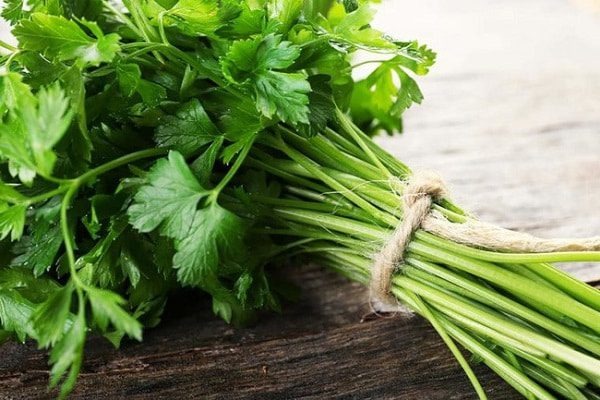
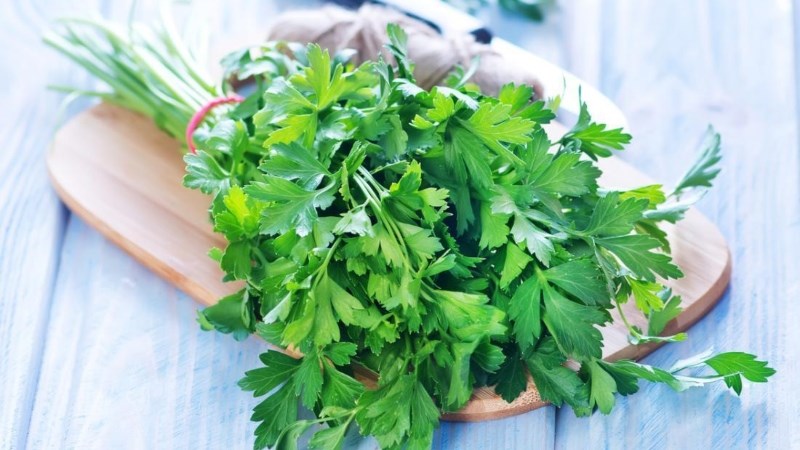
Parsley is packed with vitamins, helps regulate blood sugar, and acts as a natural diuretic. It seems like the perfect herb to add to your diet. But the way you consume parsley can completely change its impact on your body.

Many health enthusiasts blend large amounts of parsley into green juices, thinking they’re boosting its benefits. But blending removes all its fiber—an essential part of how the body processes nutrients safely. Without fiber, parsley’s natural oxalates become overly concentrated. For those at risk of kidney stones, this can be dangerous.

Buy vitamins and supplements

Fiber also helps slow glucose absorption, one of parsley’s key roles in blood sugar management. So ironically, by juicing parsley, you may actually lose the benefits you were hoping for.

The #1 plant that cleanses sugar, cholesterol & belly fat (how to use it!)

What You Lose When You Blend

There’s more to parsley than just fiber. When eaten fresh and whole, parsley slowly releases essential oils that aid digestion and reduce gas. These oils can be damaged or lost during blending or overexposure to air.

So if you’re drinking parsley as juice, you’re not only losing the fiber, but also its digestive benefits.

How to Use Parsley the Right Way

To get parsley’s benefits safely and effectively, stick to the traditional methods:

  • Chop it fresh and sprinkle it over your meals.
  • Add it at the end of cooking to preserve its nutrients and flavor.
  • Chew a few sprigs after meals to freshen breath and support digestion.
  • For a gentle diuretic effect, steep fresh parsley in hot water for five minutes and enjoy as tea.

Just one or two tablespoons of chopped parsley a day is enough. More is not always better—especially if it’s juiced or blended.

The #1 plant that cleanses sugar, cholesterol & belly fat (how to use it!)

The Big Picture: Context Matters

Parsley is just one example. From oregano to olive leaves, many herbs offer support for sugar control, cholesterol reduction, and belly fat. But the key is understanding your own body. What helps one person could harm another.

If you’re on medication or have any health conditions, always consult your doctor before adding herbs like parsley to your routine. Natural remedies are powerful—but only when used with care, knowledge, and the right preparation.

Buy vitamins and supplements

Final Thoughts

The takeaway? Nature provides amazing tools for health, but the real power lies in knowing how—and when—to use them. Don’t just look for what works. Learn how it works for you.

Let me know if you’d like a version formatted for social media, blog post, or email newsletter.

Five Leaves That Support Blood Sugar, Heart, Liver, and Circulatory Health — No Pills Needed

by


Five Leaves That Support Blood Sugar, Heart, Liver, and Circulatory Health — No Pills Needed

Many people rely on medications without realizing that some of the most powerful remedies grow naturally. Guava, avocado, mango, fig, and bay leaves are more than parts of fruit trees—they are natural medicines that support diabetes management, liver function, circulation, blood pressure, and even cancer prevention. Here’s how to use them safely at home.

1. Guava Leaves – Natural Support for Diabetes and Inflammation

Key Benefits:

  • Regulates blood sugar by inhibiting carbohydrate-absorbing enzymes

  • Lowers bad cholesterol (LDL)

  • Rich in antioxidants like lycopene and flavonoids, which combat cancer

  • Supports liver detoxification

  • Boosts circulation and reduces oxidative stress

How to Use:
Guava Leaf Tea – Boil 7–10 fresh guava leaves in 2 cups of water for 15 minutes. Cool, strain, and drink 1 cup twice daily (morning & evening) for at least 2 weeks.

2. Avocado Leaves – Heart and Liver Ally

Key Benefits:

  • Helps lower blood pressure via natural quercetin

  • Protects the liver and reduces liver enzyme levels

  • Improves circulation and prevents internal clotting

  • Supports blood sugar regulation

  • Contains anti-cancer compounds (polyphenols & flavonoids)

How to Use:
Avocado Leaf Infusion – Boil 3–5 fresh or dried leaves in 3 cups of water for 10 minutes. Drink 1 cup in the morning and 1 cup before bedtime, 5 days a week.

3. Mango Leaves – Blood Sugar and Artery Protector

Key Benefits:

  • Improves insulin production and glucose distribution

  • Strengthens blood vessels and supports circulation

  • Helps prevent fatty liver and supports bile secretion

  • Lowers blood pressure by relaxing blood vessels

  • Rich in antioxidants for cancer protection

How to Use:
Mango Leaf Water – Dry a handful of mango leaves, crush to powder, and soak 1 tsp in a cup of warm water overnight. Drink on an empty stomach in the morning daily.

4. Fig Leaves – Pancreas and Heart Support

Key Benefits:

  • Stabilizes insulin levels

  • Reduces triglycerides and improves blood flow

  • Detoxifies the liver and prevents fat buildup

  • Regulates blood pressure through potassium balance

  • Contains compounds that slow cancer cell growth

How to Use:
Fig Leaf Decoction – Boil 3 fig leaves in 2 cups water until reduced by half. Strain and drink once a day, preferably before breakfast. Can be consumed daily or 4–5 times per week.

5. Bay Leaves – Circulation and Blood Sugar Aid

Key Benefits:

  • Improves insulin sensitivity

  • Supports liver detoxification and bile flow

  • Enhances blood circulation and reduces clot risk

  • Lowers blood pressure

  • Contains anti-cancer compounds like linalool and eugenol

How to Use:

Bay Leaf & Clove Tea – Boil 2 bay leaves and 2 cloves in 2 cups of water for 7–10 minutes. Drink 1 cup after meals, once or twice a day.

Safe Combination Strategy

Alternate leaves throughout the week for balance:

  • Monday & Thursday: Guava & Mango

  • Tuesday & Friday: Avocado & Fig

  • Wednesday & Saturday: Bay Leaf & Clove combo

  • Sunday: Rest or warm lemon water for detox

Conclusion

Ancient cultures knew the power of leaves long before modern medicine. Guava, avocado, mango, fig, and bay leaves can support natural blood sugar control, liver health, circulation, blood pressure, and even cancer prevention. Incorporate these natural allies into your wellness routine and harness the power of nature for your health.

Why People Put Nails in Apples – Does It Really Work and Is It Safe?

by


Why People Put Nails in Apples – Does It Really Work and Is It Safe?

Introduction
Have you ever seen an apple pierced with several nails and wondered why? This old tradition might look strange, but it was historically used to increase iron intake naturally. Before modern supplements, people in various cultures relied on this simple method to help fight iron deficiency. But does it really work, and is it safe? Let’s explore the history, science, and safety of this practice.

Why Did People Put Nails in Apples?
Iron deficiency was common, especially where meat was scarce or expensive. People discovered that inserting iron nails into acidic fruits like apples triggered a chemical reaction: the fruit’s natural acids release small amounts of iron from the metal. Eating the apple provided an early, homemade iron supplement.

This method was used to help prevent or treat anemia, a condition caused by low iron levels that can lead to fatigue, weakness, and pale skin.

How Does It Work?

Apples contain organic acids such as malic acid and citric acid. When a clean iron nail is left in an apple for several hours, these acids react with the metal, forming iron salts (like iron acetate) that partially dissolve into the fruit. Eating the apple allows your body to absorb some iron.

Iron Content Comparison:

  • Apple with nails: A few milligrams (highly variable)

  • 100g beef liver: ~6 mg

  • Iron supplement tablet: 18–30 mg

While the method works chemically, it provides only a tiny fraction of the iron in modern supplements and is not effective for treating serious anemia.

Is It Safe Today?

Potential Benefits:

  • Provides a small amount of iron

  • Natural and inexpensive

Risks:

  • Contamination: Modern nails may be coated with zinc, galvanized metal, or stainless steel, which can be toxic

  • Rust: Rusty nails can harbor bacteria and harmful substances

  • Uncontrolled dosage: You cannot measure the exact amount of iron absorbed

Safe Guidelines If You Want to Try It:

  1. Use pure iron nails only (avoid coated or galvanized nails).

  2. Clean nails thoroughly by boiling in water for 10–15 minutes.

  3. Insert 2–3 nails into a fresh apple, ensuring they are fully embedded.

  4. Leave for 6–12 hours to allow some iron to dissolve.

  5. Remove the nails and eat the apple. Do not eat or reuse the nails.

Better Alternatives for Iron Intake:

  • Iron-rich foods: Red meat, chicken liver, lentils, beans, spinach, pumpkin seeds

  • Vitamin C: Enhances iron absorption from plant sources

  • Modern supplements: Safe and effective under a doctor’s guidance

Final Verdict
Yes, nails in apples do release a small amount of iron. Historically, it was a creative solution when other options were unavailable. Today, however, it’s considered outdated and potentially risky if nails are not pure and sterilized. Modern diets and supplements are far safer and more effective.

Disclaimer:
This information is for educational purposes only and is not a substitute for professional medical advice. If you suspect anemia or iron deficiency, consult a healthcare provider for proper diagnosis and treatment.

When it comes to strokes, time is everything.

by


When it comes to strokes, time is everything. Quick intervention often determines whether a person survives and how well they recover. That’s why it is so important to raise awareness about what a stroke is, the types that exist, and the subtle warning signs that may appear weeks before an actual event. What Is a Stroke? A stroke occurs when blood flow to the brain is interrupted, depriving it of oxygen. Without oxygen, brain cells begin to die within minutes. Strokes can have devastating consequences, ranging from long-term disability to death. There are several types of stroke: Ischemic stroke (most common): Caused by a blood clot or cholesterol plaque blocking an artery, also known as an embolism or thrombosis. Hemorrhagic stroke: Less common, but often more severe. It results from a ruptured aneurysm, brain tumor, accident, or vascular disorder. Transient Ischemic Attack (TIA): Sometimes called a “mini-stroke,” this is a temporary blockage that resolves on its own. While symptoms may disappear quickly, TIAs should never be ignored, as they are often precursors to a full stroke. Early Warning Signs Weeks Before a Stroke Doctors warn that in many cases, warning signs may appear weeks or even months in advance. Paying attention to these symptoms and seeking medical advice can save your life. Here are 10 symptoms not to ignore: Visual, auditory, or olfactory hallucinations – unusual sensory experiences should be taken seriously. Extreme exhaustion – persistent fatigue without explanation. Facial paralysis or drooping – even slight asymmetry in the face. Tunnel vision – loss of peripheral vision. Loss of coordination – clumsiness, difficulty walking, or sudden imbalance. Speech difficulties – slurred words, trouble forming sentences, or confusion. Unexplained headaches – especially if you are not prone to migraines. Sudden memory loss or confusion – difficulty recalling information or concentrating. High blood pressure spikes – sudden, unusual increases. Numbness or weakness in the body – especially if it affects only one side. How to Reduce Your Risk While not every stroke can be prevented, lifestyle changes play a huge role in reducing risk: Eat a balanced diet rich in fruits, vegetables, and whole grains. Control cholesterol and blood sugar with regular checkups. Limit alcohol and quit smoking, as both contribute significantly to stroke risk. Stay active with regular exercise to maintain circulation and heart health. Manage stress and blood pressure with relaxation techniques and medical guidance. When in Doubt, Act Fast The key to surviving a stroke is rapid intervention. If you or someone you know experiences sudden paralysis, loss of speech, vision problems, or confusion, don’t wait—call emergency services immediately. Remember the acronym FAST: Face drooping Arm weakness Speech difficulties Time to call for help Being alert to these early signs can make the difference between life and death.

Vitamin B12, also known as cobalamin, is one of the most important vitamins for overall health. It supports red blood cell production, maintains the nervous system, and plays a key role in DNA formation. A deficiency in vitamin B12 can therefore cause serious health problems if not identified and treated.

Symptoms of Vitamin B12 Deficiency

Vitamin B12 deficiency is not always easy to detect. Symptoms may take years to appear and are often mistaken for other conditions. However, recognizing them early is important for prevention and treatment.

People most at risk include:

  • Vegans and strict vegetarians
  • The elderly
  • Pregnant or breastfeeding women
  • People with pancreatitis or type 2 diabetes

Main Symptoms of Deficiency

  1. Anemia
  2. Cardiovascular problems
  3. Reduced vision capacity
  4. Depression and neurological disorders
  5. Fatigue and exhaustion
  6. Headaches and difficulty concentrating
  7. Digestive problems
  8. Nervousness and irritability
  9. Pain, numbness, or tingling in the hands, arms, legs, and feet
  10. Shortness of breath
  11. Pale or yellowish skin
  12. Poor memory or confusion
  13. Muscle weakness
  14. Loss of appetite and weight loss
  15. Balance and coordination problems
  16. When it comes to strokes, time is everything. Quick intervention often determines whether a person survives and how well they recover. That’s why it is so important to raise awareness about what a stroke is, the types that exist, and the subtle warning signs that may appear weeks before an actual event. What Is a Stroke? A stroke occurs when blood flow to the brain is interrupted, depriving it of oxygen. Without oxygen, brain cells begin to die within minutes. Strokes can have devastating consequences, ranging from long-term disability to death. There are several types of stroke: Ischemic stroke (most common): Caused by a blood clot or cholesterol plaque blocking an artery, also known as an embolism or thrombosis. Hemorrhagic stroke: Less common, but often more severe. It results from a ruptured aneurysm, brain tumor, accident, or vascular disorder. Transient Ischemic Attack (TIA): Sometimes called a “mini-stroke,” this is a temporary blockage that resolves on its own. While symptoms may disappear quickly, TIAs should never be ignored, as they are often precursors to a full stroke. Early Warning Signs Weeks Before a Stroke Doctors warn that in many cases, warning signs may appear weeks or even months in advance. Paying attention to these symptoms and seeking medical advice can save your life. Here are 10 symptoms not to ignore: Visual, auditory, or olfactory hallucinations – unusual sensory experiences should be taken seriously. Extreme exhaustion – persistent fatigue without explanation. Facial paralysis or drooping – even slight asymmetry in the face. Tunnel vision – loss of peripheral vision. Loss of coordination – clumsiness, difficulty walking, or sudden imbalance. Speech difficulties – slurred words, trouble forming sentences, or confusion. Unexplained headaches – especially if you are not prone to migraines. Sudden memory loss or confusion – difficulty recalling information or concentrating. High blood pressure spikes – sudden, unusual increases. Numbness or weakness in the body – especially if it affects only one side. How to Reduce Your Risk While not every stroke can be prevented, lifestyle changes play a huge role in reducing risk: Eat a balanced diet rich in fruits, vegetables, and whole grains. Control cholesterol and blood sugar with regular checkups. Limit alcohol and quit smoking, as both contribute significantly to stroke risk. Stay active with regular exercise to maintain circulation and heart health. Manage stress and blood pressure with relaxation techniques and medical guidance. When in Doubt, Act Fast The key to surviving a stroke is rapid intervention. If you or someone you know experiences sudden paralysis, loss of speech, vision problems, or confusion, don’t wait—call emergency services immediately. Remember the acronym FAST: Face drooping Arm weakness Speech difficulties Time to call for help Being alert to these early signs can make the difference between life and death.
  17. Causes of Vitamin B12 Deficiency
  18. Vitamin B12 deficiency can result from insufficient intake or poor absorption. Common causes include:

  19. Low dietary intake: Diets lacking animal products or fortified foods.
  20. Stomach inflammation (gastritis): Reduced stomach acid limits absorption.
  21. Pernicious anemia: A rare condition where the body lacks intrinsic factor, needed for B12 absorption.
  22. Digestive disorders: Conditions such as Crohn’s disease or celiac disease.
  23. Gastrointestinal surgery: Procedures like gastric bypass can impair absorption.
  24. Excessive alcohol use: Damages the digestive system and reduces absorption.
  25. Genetic factors: Rare disorders like transcobalamin II deficiency interfere with B12 transport.
  26. Foods Rich in Vitamin B12


  27. The recommended daily intake of vitamin B12 depends on age, sex, and health conditions. To prevent deficiency, include these foods in your diet:

  28. Liver – Up to 20 µg per 100 g; also rich in iron and vitamin B6.
  29. Shellfish (oysters, cockles, scallops) – Cockles provide 80–100 µg per 100 g; oysters 16–18 µg; scallops around 1.5 µg.
  30. Salmon – About 3 µg per 100 g, also a source of omega-3 fatty acids.
  31. Tuna – Around 2.2–2.4 µg per 100 g, plus protein and potassium.
  32. Ground beef – About 2.2–2.5 µg per 100 g, also rich in iron.
  33. Milk – A 250 ml glass provides 1.1–1.4 µg, along with calcium.
  34. Natural yogurt – Around 1 µg per 150 g, plus probiotics for gut health.
  35. Eggs – Approximately 0.6 µg per egg, also containing vitamin D and healthy fats.
  36. Fortified foods – Breakfast cereals and enriched nutritional yeast (up to 23–25 µg per 15 g).
  37. Conclusion
  38. Vitamin B12 is essential for nerve health, red blood cell production, and energy metabolism. A deficiency can cause a wide range of symptoms, from fatigue and anemia to neurological problems.

  39. The good news is that vitamin B12 deficiency is both preventable and treatable through diet and supplementation. Recognizing the signs early and addressing the root causes is key to avoiding long-term complications.

  40. Note: If you suspect you have symptoms of vitamin B12 deficiency, consult a healthcare professional for testing and guidance.