jeudi 22 janvier 2026

Unlock the Hidden Power of Guava and Turmeric Leaves

by


Unlock the Hidden Power of Guava and Turmeric Leaves

In the realm of natural remedies, guava and turmeric leaves stand out for their incredible health benefits. Both of these plants are rich in essential nutrients, antioxidants, and medicinal properties that have been utilized for centuries in traditional medicine. While guava fruits are widely known and appreciated, the leaves of both guava and turmeric are often overlooked despite their amazing healing powers. By unlocking the potential of these leaves, you can boost your health and wellness in numerous ways.

Let’s explore the hidden powers of guava and turmeric leaves, their benefits, and how you can easily incorporate them into your daily routine.

1. Guava Leaves: A Natural Remedy for Digestive Health

Guava leaves are loaded with beneficial compounds, including flavonoids, antioxidants, and tannins, which can significantly improve digestion. They are commonly used in traditional medicine to treat a variety of digestive issues, such as diarrhea, constipation, and bloating. Guava leaves contain powerful antimicrobial properties that can help eliminate harmful bacteria and parasites from the digestive tract.

How to Use:

  • Guava Leaf Tea: Simply steep a handful of fresh guava leaves in boiling water for about 10 minutes. Drink this tea regularly to improve digestion, alleviate constipation, and prevent diarrhea.
  • Guava Leaf Powder: Dried guava leaves can be powdered and taken with water to treat digestive issues and promote a healthy gut.

2. Boosting Immunity with Guava and Turmeric Leaves

Both guava and turmeric leaves are packed with vitamin C, an essential nutrient known for its immune-boosting properties. Guava leaves, in particular, are a rich source of antioxidants, which help to neutralize harmful free radicals in the body, preventing infections and promoting overall health. Turmeric leaves, on the other hand, contain curcumin, a compound known for its potent anti-inflammatory and immune-boosting effects.

How to Use:

  • Guava Leaf Tea: As mentioned earlier, drinking guava leaf tea not only supports digestion but also helps to strengthen the immune system by providing a good dose of vitamin C.
  • Turmeric Leaf Infusion: You can make an infusion of fresh turmeric leaves by boiling them in water. This drink helps fight infections, boost your immunity, and reduce inflammation.

3. Turmeric Leaves for Pain Relief and Inflammation

Turmeric leaves have long been used in traditional medicine as a remedy for pain and inflammation. Thanks to the curcumin content in turmeric, these leaves act as a natural anti-inflammatory agent, making them effective for managing conditions like arthritis, muscle pain, and general body aches.

How to Use:

  • Turmeric Leaf Poultice: To relieve pain and swelling, crush fresh turmeric leaves and apply them as a poultice directly to the affected area. The leaves’ anti-inflammatory properties can provide instant relief.
  • Turmeric Leaf Tea: Drinking turmeric leaf tea regularly can help reduce chronic inflammation and relieve pain, especially in conditions like arthritis.

4. Skin Benefits: Fights Acne and Promotes Healthy Skin

  • Both guava and turmeric leaves are wonderful for the skin due to their anti-inflammatory and antimicrobial properties. Guava leaves can be used to combat acne and other skin conditions, while turmeric leaves are known to brighten the complexion and reduce the appearance of blemishes. The antioxidants in both leaves help protect the skin from free radical damage, keeping it youthful and radiant.

    How to Use:

    • Guava Leaf Face Mask: Grind fresh guava leaves and mix them with water to form a paste. Apply this paste to your face and leave it on for about 15 minutes before rinsing it off. This will help reduce acne, soothe irritated skin, and tighten pores.
    • Turmeric Leaf Face Mask: Turmeric leaves can also be ground into a paste and applied to the skin to lighten dark spots and reduce redness. The anti-inflammatory properties help calm irritated skin and reduce acne scars.

5. Turmeric Leaves for Weight Loss

  • Turmeric leaves have been traditionally used to support weight loss due to their ability to improve metabolism and digestion. Curcumin, the active compound in turmeric, can also aid in breaking down fat cells and boosting fat-burning processes in the body. Additionally, the anti-inflammatory properties of turmeric leaves can help in reducing bloating, which is often associated with excess weight.

    How to Use:

    • Turmeric Leaf Tea: Drinking turmeric leaf tea regularly can help with digestion, reduce bloating, and promote fat loss.
    • Turmeric Leaf Powder: You can grind dried turmeric leaves into a powder and consume it with warm water or add it to smoothies for an extra weight-loss boost.

6. Guava Leaves for Controlling Blood Sugar Levels

  • Guava leaves are known for their ability to regulate blood sugar levels, making them beneficial for individuals with diabetes. The compounds found in guava leaves help to reduce the absorption of glucose in the blood and improve insulin sensitivity. Drinking guava leaf tea regularly can help stabilize blood sugar levels and reduce the risk of developing type 2 diabetes.

    How to Use:

    • Guava Leaf Tea: Boil fresh guava leaves in water and drink the tea daily to manage blood sugar levels and support overall metabolic health.

7. Turmeric Leaves for Respiratory Health

  • Turmeric leaves can also help with respiratory issues, such as asthma, bronchitis, and general lung congestion. The anti-inflammatory properties of turmeric help reduce swelling in the airways, making it easier to breathe. Turmeric leaves are also known to help clear up mucus and phlegm, providing relief for those with respiratory problems.

    How to Use:

    • Turmeric Leaf Steam: Boil turmeric leaves in water and inhale the steam to relieve congestion and clear your airways.
    • Turmeric Leaf Tea: Drinking turmeric leaf tea regularly can help improve lung function and reduce respiratory discomfort.

8. How to Incorporate Guava and Turmeric Leaves into Your Routine

    • Now that you know the incredible health benefits of guava and turmeric leaves, you may be wondering how to incorporate them into your daily life. Fortunately, there are many simple and easy ways to start using these natural remedies:

      • Herbal Tea: Both guava and turmeric leaves can be brewed into delicious teas. You can either enjoy them separately or combine them for an even more powerful health drink.
      • Face Masks: For skin benefits, you can create natural face masks from ground guava or turmeric leaves to improve your complexion and treat acne.
      • Supplements: Guava and turmeric leaf extracts are available in capsule form, making it easier to get your daily dose of these beneficial plants.

Conclusion

    • The leaves of guava and turmeric are packed with potent health benefits that can improve digestion, boost immunity, support weight loss, and promote healthy skin. By incorporating these natural remedies into your routine, you can harness the full power of these incredible plants to enhance your well-being. Whether you drink them as tea, use them in face masks, or incorporate them into your cooking, guava and turmeric leaves are a must-have addition to any natural health regimen.


These 14 BAD Habits Are Making You FAT While You SLEEP! – Stop Them Now

by


These 14 BAD Habits Are Making You FAT While You SLEEP! – Stop Them Now

Introduction

You’re eating clean and staying active, but the scale still isn’t moving. Sound familiar? The issue might not be your daytime habits, but what you’re doing at night. Believe it or not, your bedtime routine could be quietly encouraging weight gain while you sleep.

Let’s uncover 14 common evening habits that may be interfering with your fat loss goals—and how to fix them starting tonight.

1. Snacking Too Late at Night

Eating right before bed—especially unhealthy snacks—can lead to fat accumulation since your body slows down at night and stores unused calories.

Solution: Stop eating 2–3 hours before bed. If you’re hungry, choose something light and healthy like yogurt or a banana.

2. Skipping Dinner or Eating Too Little

Going to bed hungry may seem like a shortcut to weight loss, but it can cause your body to conserve fat instead of burning it.

Solution: Have a balanced dinner with protein, fiber, and good fats to keep your metabolism steady.


3. Drinking Alcohol at Night

A nighttime drink might help you unwind, but alcohol interferes with sleep and disrupts the hormones responsible for burning fat.

Solution: Avoid alcohol 3–4 hours before bed and stay hydrated with water or herbal tea.

4. Not Getting Enough Sleep

Sleep deprivation throws off your hunger hormones, increasing cravings and appetite the next day.

Solution: Prioritize 7–9 hours of high-quality sleep every night.

5. Indulging in Sugary Treats Before Bed

Sugar spikes insulin and blood sugar, preventing fat from being burned and encouraging storage instead.

Solution: Try satisfying your cravings with fruit or protein-rich alternatives.

6. Going to Bed Stressed

These 14 BAD Habits Are Making You FAT While You SLEEP! – Stop Them Now

High nighttime stress boosts cortisol levels, which are linked to stubborn belly fat and disrupted sleep.

Solution: Wind down with calming activities like deep breathing, meditation, or gentle stretching.

7. Excessive Screen Time at Night

Blue light from phones, tablets, or TVs can mess with melatonin production and disrupt your sleep quality.

Solution: Power down your devices at least 30–60 minutes before bed.


For illustrative purpose only

8. Consuming Caffeine Late in the Day

Caffeine lingers in your system and can interfere with your sleep, even if you don’t notice it right away.

Solution: Cut off caffeine intake after 3 PM and opt for decaf or herbal teas.


9. Not Moving Enough During the Day

A sedentary lifestyle slows your metabolism, even during sleep.

Solution: Aim for at least 30 minutes of physical activity each day to keep your metabolism humming.

10. Sleeping in a Hot Room

Warmer rooms decrease brown fat activity, which plays a role in burning calories while you sleep.

Solution: Lower your bedroom temperature to between 60–67°F (15–19°C) for optimal results.

For illustrative purpose only

11. Irregular Sleep Patterns

Inconsistent bedtimes and wake-up times disrupt your internal clock, which can negatively affect fat metabolism.

Solution: Stick to a consistent sleep schedule—even on weekends.

12. Staying Up Too Late

Night owls tend to snack more and have irregular eating habits, both of which contribute to weight gain.

Solution: Try to go to bed earlier, ideally before midnight, to support your metabolism.

13. Overeating at Dinner

Large evening meals burden your digestive system and increase the chances of fat storage.

Solution: Opt for smaller, lighter dinners and avoid going to bed feeling overly full.

14. Skipping Protein in the Evening

Protein helps you stay full longer and supports muscle repair overnight. Skipping it can slow your metabolism.

Solution: Include a portion of lean protein like fish, tofu, or beans in your dinner.

Final Thoughts

Sometimes, it’s not about eating less or exercising more—it’s about when and how you eat, move, and rest. If any of these habits sound familiar, now’s the time to adjust your nighttime routine. With small, consistent changes, you can improve your sleep, rev up your metabolism, and support fat loss—even while you sleep.

Advantages of Using Castor Oil for Healthy Eyes

by


Advantages of Using Castor Oil for Healthy Eyes

For many years, castor oil has been used as a natural treatment for different health problems, including some common eye issues. This rich oil can help with dry eyes, reduce eye bags, manage eye floaters, and support cataract care. Let’s explore how castor oil can help your eyes and how to use it safely.

Relieving Dry Eyes

Dry eyes can feel uncomfortable, making them itchy, red, and gritty. Castor oil is famous for being very good at keeping the skin hydrated. Using a little bit of high-quality castor oil on your eyes before bed can help keep them moist and relieve dryness. The oil creates a layer that keeps moisture in the eyes for a longer time compared to lubricants made of water.

Getting rid of under-eye puffiness
Eye bags can make you appear tired, but castor oil can help. Its ability to reduce inflammation helps decrease swelling and puffiness around the eyes. Before going to sleep, put a small bit of castor oil under your eyes and gently tap it in using your ring finger. Over time, you may see less swelling and your eyes may look better overall.

Dealing with Spots in Your Vision

Eye floaters are tiny dark spots or shapes that you may see in your vision, especially when looking at a bright, clear surface. Although they are generally not dangerous, they can be bothersome. Castor oil, which has antioxidants, might help decrease eye floaters. The oil can calm the eye and make floaters less visible.

Helping people with cataracts.
Cataracts make the eye’s lens cloudy, which results in unclear vision. Some individuals have discovered that using castor oil regularly can help decrease the cloudiness linked to cataracts. It is important to talk to an eye doctor before using castor oil for this, especially if you are thinking about having surgery.

How to Use Castor Oil Without Risks

If you want to use castor oil for eye problems, make sure to select a high-quality castor oil that is pure, cold-pressed, hexane-free, and pharmaceutical-grade. Use a small amount of oil, and if you use drops, use a clean dropper to put one drop in each eye before going to bed. Before using a new product, it is important to do a patch test to check for any allergic reactions.

End.
Castor oil can help with common eye problems in a natural way. However, like with any solution, it is important to be careful. Always make sure the product is pure and check with a healthcare professional to make sure it is safe for your particular health requirements. When used correctly, castor oil can help calm and improve your eye care routine.

Early Dementia Signs That Are Easy to Miss

by


Early Dementia Signs That Are Easy to Miss

Recognizing the early signs of dementia can be difficult—especially when they resemble ordinary forgetfulness, mood shifts, or changes in behavior. But spotting these subtle red flags early can make a meaningful difference in managing the condition and seeking timely support.

1. Alzheimer’s-Specific Symptoms

Alzheimer’s disease, the most common form of dementia, affects memory, planning, and organizational skills. While these changes are widely known, what’s less commonly discussed is the potential link between oral health and cognitive decline.

For illustrative purposes only

Recent research has found that bacteria associated with gum disease—specifically Porphyromonas gingivalis—can be present in the brains of people with Alzheimer’s. These bacteria release toxins that may damage brain cells and contribute to the buildup of amyloid plaques, which are hallmarks of the disease.
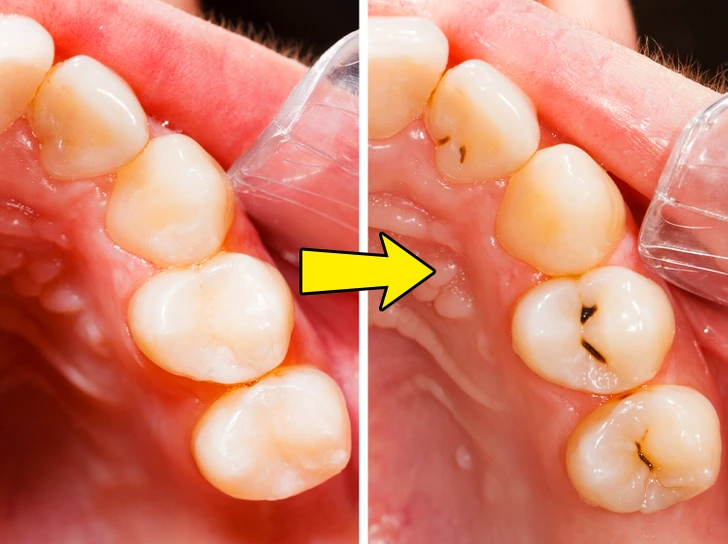

This suggests that poor oral hygiene might play a role in accelerating memory loss and cognitive decline. Brushing, flossing, and regular dental visits could do more than just protect your smile—they may also support brain health.

For illustrative purposes only

2. Inappropriate or Out-of-Character Behavior

One early and often misunderstood sign of dementia is a noticeable shift in behavior—particularly actions that seem socially inappropriate. This is known as disinhibition, and it occurs when damage to certain parts of the brain impairs impulse control.

A person may suddenly start making rude or tactless comments, acting out in public, speaking loudly in quiet settings, or showing little regard for personal boundaries. While these behaviors can be upsetting or embarrassing to those around them, they are not intentional—they’re symptoms of brain changes, not character flaws.

3. Hallucinations

Hallucinations—seeing, hearing, or sensing things that aren’t really there—can be an early indicator of certain types of dementia, especially Lewy body dementia and Parkinson’s disease dementia.

For illustrative purposes only

Though less common, individuals with Alzheimer’s disease may also experience visual or auditory hallucinations as the condition progresses. These episodes can cause distress, fear, or confusion, requiring a calm and supportive response from caregivers.

Understanding that these experiences feel real to the person is crucial in providing compassionate care.

4. Difficulty Speaking or Finding the Right Words

Struggling to find the right words or forming coherent sentences may seem like normal aging, but it can also be a symptom of primary progressive aphasia, a rare form of frontotemporal dementia.

People affected may pause mid-sentence, substitute incorrect words, or have trouble understanding conversations. Over time, these language challenges can lead to frustration and social withdrawal. While not everyone with this condition progresses to full dementia, many eventually experience more widespread cognitive decline.

see more on the next page

5. Challenges with Familiar Daily Tasks

Tasks that were once second nature—like making a cup of tea, getting dressed, or following a recipe—can become surprisingly difficult. Dementia affects the brain’s ability to remember steps, follow sequences, and manage simple routines.

For illustrative purposes only

For example, a person may forget how to put on clothes in the right order, leave food cooking unattended, or skip bathing altogether. These challenges are often one of the first clues that something more than normal forgetfulness is going on.

As dementia progresses, these changes can lead to a greater need for supervision and caregiving support.

6. Decline in Visual-Spatial Skills

Dementia doesn’t just affect memory—it can also disrupt how a person perceives and interacts with their environment. Visual-spatial issues might include:

  • Misjudging distances

  • Difficulty recognizing familiar faces or places

  • Getting lost in familiar surroundings

  • Struggling with reading or interpreting visual cues

These challenges can affect everything from navigating stairs to driving safely. As confidence in visual perception diminishes, the person may become more anxious or disoriented, even in environments that were once comfortable.

Final Thoughts

Many early signs of dementia can be mistaken for stress, aging, or even personality quirks. But being aware of these subtle symptoms—especially when they appear in combination—can help you or your loved ones seek medical guidance sooner.

Early diagnosis can open the door to treatment options, supportive care, and planning for the future—empowering individuals and families to navigate the journey ahead with greater clarity and compassion.

Disclaimer: This content is for informational purposes only and should not be used as a substitute for professional medical advice. Always consult your doctor regarding your health and medical concerns.

How to use guava to treat eye problems — natural remedies for the eyes.

by


How to use guava to treat eye problems — natural remedies for the eyes.

unexpected ally for your eye health? This nutrient-packed treasure has been used for generations in natural remedies to ease eye discomfort and promote visual wellness. If you’re looking for natural ways to look after your eyes, this article will show you how guava can help—practical methods, science-backed benefits and essential precautions for safe use. Get ready for a fresh, natural approach that might transform your eye-care routine.
[5:31 PM, 11/5/2025] ماما 010: Why Guava Is a Gift for Your Eyes
Guava isn’t just a delicious fruit—it’s a nutritional gem that offers surprising benefits for eye health. Its antioxidant, anti-inflammatory and antimicrobial properties give it a standout place in traditional medicine. Here’s why this fruit deserves a spot in your natural-care arsenal.

Rich in antioxidants and vitamin C
Guava is one of the richest fruit sources of vitamin C—sometimes even surpassing citrus fruits. Vitamin C is a powerful antioxidant that helps protect the delicate tissues of the eye from damage by free radicals—unstable molecules that can contribute to premature ageing of the eyes and conditions like cataracts.

Beyond that, guava contains other antioxidant compounds like

Strain the infusion and let it cool to a warm-but-not-hot temperature. Make sure the liquid is clear and free of particles.
Usage:

Soak a sterile gauze or clean cloth in the infusion.

Gently apply it over your closed eyelids for 5-10 minutes, relaxing while the anti-inflammatory compounds work.

You may repeat 1-2 times per day if desired.
Important caution:
Never apply the compress if the liquid is cloudy or unfiltered—it may introduce contaminants into the eye.

2. Diluted guava extract drops (use only with extreme care) 💧
Some traditional practices use a diluted aqueous extract of guava as an eye drop for mild irritation. This method carries more risk and must be handled with utmost hygiene.
Preparation…
[5:32 PM, 11/5/2025] ماما 010: Guava-infused eye-contour serum or cream 🧴
If you prefer a safer topical application (for the area around the eyes rather than the eyeball itself), look for cosmetic products that contain guava extract (or make a simple natural version). These help hydrate the skin around the eyes, reduce puffiness and apply the antioxidant benefit.
Usage:

Apply a small amount of the serum/cream on clean skin around the eyes, avoiding direct contact with the eyeball or eyelid margin.

Gently massage with fingertip for better absorption.

Ideal for reducing dark circles, swelling or fine lines via antioxidant support.

Essential Precautions for

Eye-Safe Use
Although guava offers promising benefits, it must be used cautiously in the eye area to avoid complications. Here are …
[5:32 PM, 11/5/2025] ماما 010: review notes guava supports eye health via vitamin A, beta-carotene and flavonoids, potentially reducing the risk of night blindness, macular degeneration and diabetic retinopathy.

One older study tested a guava-leaf decoction as a topical antibacterial for the eye in animals; although results looked promising, sterility issues were noted and the study is far from definitive for human use.

Official sources (e.g., WebMD) caution that while guava has nutritional benefits, there is no strong scientific evidence confirming use of guava for certain medical conditions of the eye.

In short: guava supports general eye-health via nutrition, but topical use for ocular therapy remains speculative and should be approached with caution.

Include Guava in Your Diet f…

Natural Ways to Remove Calcium Buildup in Your Bathroom

by


Natural Ways to Remove Calcium Buildup in Your Bathroom

Why It Works:
The acidity in vinegar dissolves calcium deposits, leaving surfaces clean and shiny without harmful chemicals.
2. Baking Soda Paste: A Gentle Scrubbing Agent

Baking soda is an excellent natural cleaner that works well for scrubbing stubborn limescale.

How to Use:
Mix baking soda with a small amount of water to form a thick paste. Apply the paste to the affected areas and let it sit for 15-20 minutes. Use a soft brush or sponge to scrub the area gently. Rinse thoroughly with water and wipe dry with a clean cloth.

Why It Works:
Baking soda’s mildly abrasive nature helps loosen and lift calcium deposits without scratching surfaces.
3. Lemon Juice: The Citrus Solution

Lemon juice is another natural acid that’s highly effective against limescale, with the added bonus of a fresh scent.

How to Use:
Cut a lemon in half and rub it directly onto the stained surfaces, squeezing the juice as you go. Let the lemon juice sit for 15-20 minutes to break down the calcium buildup. Scrub gently with a brush or sponge, then rinse with warm water. For larger areas, you can mix lemon juice with water in a spray bottle and apply it like vinegar.

Why It Works:
The citric acid in lemon juice dissolves calcium deposits while leaving behind a clean and pleasant smell.
Bonus Tips for Prevention Dry Surfaces: After every shower, wipe down tiles, glass, and fixtures with a dry cloth to prevent water spots and buildup. Soft Water: Consider installing a water softener to reduce the mineral content in your water supply.

By using these natural methods, you can maintain a sparkling clean bathroom without exposing yourself or the environment to harmful chemicals.

Title: Coffee is a Million Times Stronger Than Botox: Collagen to Remove Wrinkles and Fine Lines!

by


Title: Coffee is a Million Times Stronger Than Botox: Collagen to Remove Wrinkles and Fine Lines!

Introduction: When it comes to anti-aging treatments, Botox is often the go-to option for many people looking to smooth out wrinkles and fine lines. However, did you know that coffee can offer a more natural, affordable, and effective solution to combat signs of aging? Rich in antioxidants, caffeine, and collagen-boosting properties, coffee is a powerful ingredient that can give you youthful, glowing skin without the need for expensive injections. Let’s explore how coffee can be your secret weapon for reducing wrinkles and fine lines and promoting skin collagen.


Why Coffee is Stronger Than Botox for Wrinkle Removal:

1. Boosts Collagen Production

  • Why It Works: Collagen is the building block of youthful skin, giving it strength, structure, and elasticity. As we age, collagen production decreases, leading to wrinkles and sagging skin. Coffee, especially when applied topically, has been shown to stimulate collagen production.
  • What You Can Expect: By incorporating coffee into your skincare routine, you can boost your collagen levels, improving the firmness and elasticity of your skin and reducing the appearance of wrinkles and fine lines.

2. Rich in Antioxidants

  • Why It Works: Coffee is packed with antioxidants, which help fight off free radicals—unstable molecules that damage collagen and accelerate the aging process. These antioxidants help repair skin damage and protect the skin from further aging caused by environmental stressors like UV radiation and pollution.
  • What You Can Expect: Regular use of coffee will help protect your skin, prevent premature aging, and keep your skin looking fresh and vibrant.

3. Reduces Puffiness and Dark Circles

  • Why It Works: Caffeine in coffee has anti-inflammatory properties that help reduce puffiness and dark circles around the eyes. It stimulates blood circulation and improves fluid drainage, leading to a reduction in under-eye bags.
  • What You Can Expect: Applying coffee around your eyes can give your skin a brighter, more refreshed appearance and help diminish the signs of fatigue.

4. Tightens Skin and Minimizes Wrinkles

  • Why It Works: The caffeine in coffee works as a natural skin tightener, temporarily reducing the appearance of fine lines and wrinkles. Caffeine constricts blood vessels, which helps reduce the appearance of sagging skin.
  • What You Can Expect: Your skin will feel firmer and more toned, and wrinkles will appear smoother after regular coffee treatments.

How to Use Coffee to Remove Wrinkles and Fine Lines:

1. Coffee and Coconut Oil Face Mask

  • Ingredients:
    • 1 tablespoon of ground coffee
    • 1 tablespoon of coconut oil
    • Optional: 1 teaspoon of honey (for added hydration)
  • Instructions:
    1. Mix the ground coffee with coconut oil and honey (if using) until you get a paste-like consistency.
    2. Apply this mask to your face, focusing on areas with wrinkles or fine lines, like around the eyes, mouth, and forehead.
    3. Leave it on for 10-15 minutes, then rinse with warm water.
    4. This mask helps boost collagen, hydrate the skin, and leave your face feeling rejuvenated.

2. Coffee and Honey Anti-Aging Scrub

  • Ingredients:
    • 2 tablespoons of ground coffee
    • 1 tablespoon of honey
    • 1 teaspoon of olive oil or coconut oil
  • Instructions:
    1. Mix all ingredients together to create a thick scrub.
    2. Gently massage the scrub onto your face in circular motions for about 2-3 minutes.
    3. Rinse with lukewarm water and pat dry.
    4. This scrub exfoliates dead skin cells, removes toxins, and stimulates collagen production, giving your skin a youthful glow.

3. Coffee and Aloe Vera Collagen-Boosting Serum

  • Ingredients:
     
  • 1 tablespoon of fresh aloe vera gel
  • 1 teaspoon of coffee grounds
  • 1 teaspoon of coconut oil
  • Instructions:
    1. Mix aloe vera gel, coffee grounds, and coconut oil together to form a serum.
    2. Apply to your face, especially around the eyes and mouth where wrinkles are most noticeable.
    3. Leave it on for 10-15 minutes before rinsing with cool water.
    4. This serum helps boost collagen, hydrate the skin, and reduce the appearance of fine lines.

  • Additional Benefits of Coffee for Skin:

    • Improved Skin Texture: Coffee exfoliates the skin, removing dead cells and revealing a smoother, brighter complexion.
    • Reduces Acne: The antibacterial properties of coffee help control excess oil and prevent acne breakouts.
    • Fights Free Radicals: Coffee’s antioxidants protect the skin from environmental damage and premature aging.

    Conclusion:

    Coffee isn’t just for your morning cup—it’s a natural, affordable, and effective way to reduce wrinkles and promote healthy, youthful skin. With its ability to boost collagen, tighten skin, and fight free radicals, coffee offers a safer and more natural alternative to Botox. Whether you apply it as a face mask, scrub, or serum, coffee will help rejuvenate your skin, leaving you with a radiant, smooth, and wrinkle-free appearance. Say goodbye to Botox and embrace the power of coffee for natural anti-aging! ☕✨