vendredi 27 février 2026

A month before a stroke, your body warns you: 10 signs not to ignore

by


A month before a stroke, your body warns you: 10 signs not to ignore

A month before a stroke, your body warns you: 10 signs not to ignore

It is crucial to remember that stroke symptoms usually occur suddenly and require immediate emergency medical attention. While some sources mention subtle signs that may precede a stroke by days or weeks, these symptoms like fatigue or a mild headache are often non-specific. 
The 10 Signs to Watch For
Many of the symptoms that might appear in the month before a stroke are the same critical signs that indicate a stroke is currently happening, which is why acting fast is essential.
  1. Sudden Numbness or Weakness: Especially on one side of the face, arm, or leg.
  2. Sudden Confusion: Trouble speaking or difficulty understanding speech.
  3. Sudden Vision Problems: Blurred vision, double vision, or loss of sight in one or both eyes.
  4. Sudden Trouble Walking: Dizziness, loss of balance, or lack of coordination.
  5. Sudden, Severe Headache: Often described as the “worst headache of your life,” with no known cause.
  6. Unusual Fatigue: Feeling extremely tired even with adequate rest (more common in women).
  7. Shortness of Breath or Chest Pain: Unexplained chest discomfort may accompany a stroke, especially a cardiac-related one.
  8. Nausea or Vomiting: Without an obvious cause like a viral illness.
  9. Difficulty Swallowing: Trouble eating or drinking can be a sign of a mini-stroke (TIA).
  10. Sudden Mood or Behavioral Changes: Increased irritability, anxiety, or depression. 
The F.A.S.T. Test for Immediate Action
When a stroke is actively occurring, time is critical. Use the F.A.S.T. acronym to remember the most common signs and call emergency services immediately: 
  • F – Face Drooping: Does one side of the face droop when smiling?
  • A – Arm Weakness: Can they lift both arms and keep them there, or does one drift downward?
  • S – Speech Difficulty: Is their speech slurred or hard to understand?
  • T – Time to Call Help: If any of these signs are present, call emergency services immediately. 
Disclaimer: This information is for general guidance only and does not substitute professional medical advice. Seek immediate medical attention if you or someone you know experiences any of these symptoms, even if they seem to go away.

9 Warning Signs of Swollen Feet You Should Never Ignore

by


9 Warning Signs of Swollen Feet You Should Never Ignore

Health & Tips / Leave a Comment

We’ve all experienced it: a little bit of swelling in our feet after a long day on our feet, a transatlantic flight, or a particularly hot afternoon. In these cases, the swelling is usually temporary, harmless, and goes away with a little rest and elevation. But what if the swelling is persistent, appears suddenly, or is accompanied by other worrying symptoms?


Swollen feet, a condition known as edema, can be a subtle but serious sign that something is not right within your body. Ignoring it can mean missing a crucial early warning signal for conditions ranging from heart failure to kidney disease. Taking a moment to check for these nine warning signs could be the most important thing you do for your health today.


The Nine Warning Signs

1. Swelling in One Leg Only

If you notice that one of your legs is significantly more swollen than the other, especially with an accompanying feeling of warmth, redness, or pain, do not ignore it. This is a classic symptom of a deep vein thrombosis (DVT), a blood clot that forms in a deep vein, usually in the leg. If this clot breaks free and travels to the lungs, it can cause a life-threatening pulmonary embolism. Seek immediate medical attention.


2. Swelling with Chest Pain or Shortness of Breath


This is a medical emergency. Swelling in the feet and ankles combined with chest pain, difficulty breathing, or dizziness could indicate a serious problem with your heart or lungs. It may be a sign of congestive heart failure (where the heart can’t pump blood effectively, causing fluid to back up) or a pulmonary embolism (a blood clot in the lungs). Call for emergency services immediately.


3. Swelling During Pregnancy

Minor swelling is a normal part of pregnancy, especially in the third trimester. However, sudden, severe swelling in the hands and face, known as preeclampsia, is a dangerous condition that can lead to high blood pressure and other serious complications for both the mother and baby. If you are pregnant and notice sudden swelling, contact your doctor right away.


4. Swelling Paired with Skin Changes


9 Natural Approaches to Help Reduce Plaque & Tartar Buildup – Gentle Home Strategies for a Brighter Smile

9 Natural Approaches to Help Reduce Plaque & Tartar Buildup – Gentle Home Strategies for a Brighter Smile

If the swollen area of your foot or ankle is also red, tender, or feels warm to the touch, you could have an infection known as cellulitis. This infection of the deeper layers of the skin can spread rapidly and, if left untreated, can lead to a more serious bloodstream infection.


5. Sudden, Unexplained Swelling


If you experience swelling in your feet that appears suddenly and without an obvious cause (like a long flight or a minor bump), it could be an allergic reaction. Swelling, itching, or hives that occur after exposure to a new food or medication could be a sign of a serious allergic response that requires immediate medical attention.


6. Swelling and Kidney Issues


Your kidneys are responsible for filtering waste and excess fluid from your body. When the kidneys aren’t functioning properly, fluid can build up, leading to noticeable swelling in the legs, feet, and ankles. If you notice persistent swelling along with other symptoms like fatigue, changes in urination, or a metallic taste in your mouth, it could be a sign of kidney disease.


9 Foods That Naturally Support Clearer Breathing and Lung Wellness

7. Swelling Accompanied by Liver Symptoms


The liver plays a vital role in regulating fluid in your body. If your liver is damaged, it can produce less albumin, a protein that helps keep fluid in your bloodstream. This can cause fluid to leak into the legs, feet, and even the abdomen. If you have swelling along with yellowing of the skin (jaundice), abdominal pain, or fatigue, you should consult a doctor to check for liver disease.


8. Swelling and Painful Joints


Swelling in the feet and ankles can be a key symptom of inflammatory conditions like arthritis or gout. If the swelling is accompanied by joint pain, stiffness, or tenderness, it could indicate an inflammatory process that needs medical management.


9. Swelling from Medication


Certain medications can cause fluid retention as a side effect. Common culprits include some blood pressure medications, antidepressants, and hormone therapies. While this is often a manageable side effect, it’s important to talk to your doctor. They can determine if the swelling is a normal side effect or if it’s a sign of a more serious issue and may adjust your dosage or medication accordingly.


Recurrent Yeast Infections? STOP Doing These Things Immediately!


When to See a Doctor


While many cases of swollen feet are benign, it’s always better to be safe than sorry. You should seek immediate medical attention if your swelling:


Is accompanied by chest pain, shortness of breath, or dizziness.

Occurs in one leg only and is painful, red, or warm.

Is sudden, severe, or unexplained.

Is accompanied by symptoms of a serious infection or a severe allergic reaction.

Ignoring these warning signs could put your health at risk. By paying attention to your body and acting promptly, you can ensure that you get the right diagnosis and treatment, putting your mind at ease and your health back on track.

The Traditional Japanese-Inspired Way to Smooth Hair Naturally

by


The Traditional Japanese-Inspired Way to Smooth Hair Naturally

Homemade Banana Keratin for Softer, Shinier Hair 🍌

🌸 Introduction

For centuries, Japanese women have been admired for their long, smooth, and glossy hair. Rather than relying on harsh chemicals or expensive salon treatments, many traditional routines focused on simple, nourishing ingredients prepared at home.

One of the most talked-about natural methods today is banana-based plant keratin—a gentle, homemade hair mask inspired by ancestral beauty rituals. This routine doesn’t promise instant, artificial straightening, but instead supports softer texture, reduced frizz, deep hydration, and healthier-looking hair over time.

Now often referred to as a Japanese-inspired hair care ritual, this natural approach is trending again for those seeking beauty without damage.


🍌 Why Banana Is Loved in Natural Hair Care

Banana is widely used in DIY hair masks because it naturally contains:

  • Vitamins A, B, C, and E – support hair fiber nourishment and shine

  • Potassium and zinc – help reduce dryness and frizz

  • Natural oils and carbohydrates – help seal moisture and soften strands

When combined with ingredients like coconut oil, honey, and yogurt, banana creates a plant-based keratin effect that conditions and smooths hair gently—without heat tools or chemical processing.


🧴 Homemade Banana Keratin Hair Mask (Japanese-Inspired Recipe)

🔹 Ingredients

  • 1 ripe banana

  • 1 tablespoon virgin coconut oil

  • 1 tablespoon pure honey

  • 2 tablespoons plain, unsweetened yogurt


🔹 Preparation & Application

  1. Mash or blend the banana until completely smooth
    (this step is important to avoid residue)

  2. Add coconut oil, honey, and yogurt

  3. Mix until creamy and well combined

  4. Apply to damp hair, focusing on mid-lengths and ends

  5. Cover with a shower cap

  6. Leave on for 30–45 minutes

  7. Rinse with lukewarm water and wash with a mild shampoo

✨ Result: Hair often feels softer, smoother, shinier, and easier to manage after the first use.

📌 For best results, repeat 1–2 times per week.


🌿 Tips to Enhance the Smoothing Effect

  • Use rice water or green tea as a final rinse

  • Limit frequent use of flat irons and high heat

  • Protect hair from sun exposure with a light natural oil

  • Be consistent—natural routines work gradually


💫 Natural Banana Keratin vs. Chemical Keratin

AspectNatural Banana KeratinChemical Keratin
Ingredients100% natural foodsOften contains harsh chemicals
EffectNourishes, softens, hydratesTemporary straight look understanding
Hair healthSupports long-term hair careMay cause dryness or breakage
SafetyGentle, low riskCan irritate scalp or weaken hair
ResultsGradual with consistencyShort-term cosmetic effect

💛 Final Thoughts

The banana-based, Japanese-inspired keratin mask is ideal for anyone who wants smoother, healthier-looking hair without chemicals. While it doesn’t force the hair straight, it improves texture, shine, and manageability naturally—which often makes hair appear straighter and more polished over time.

🌿 Simple ingredients. Gentle care. Lasting beauty habits.
💬 Have you tried banana or fruit-based hair masks before?
🔄 Share this natural hair ritual with someone who loves DIY beauty care.

10 All Natural Toothache Remedies That Your Dentist Doesn’t Want You To Know About

by


10 All Natural Toothache Remedies That Your Dentist Doesn’t Want You To Know About

Health & Tips / Leave a Comment

Tooth pain has a way of stopping life in its tracks. Whether it hits late at night, during a busy workday, or while traveling, a toothache can become impossible to ignore. The throbbing pressure, sharp nerve jolts, or constant aching can spread through your jaw, trigger headaches, and even affect your sleep.


In conventional dentistry, the standard response is usually immediate: fillings, antibiotics, extractions, or root canals. While these procedures can be necessary in certain situations, many people are now searching for gentler, natural ways to calm pain, reduce inflammation, and support healing — especially when professional care isn’t immediately available.


What may surprise you is that some of the most effective toothache remedies have been used for centuries in traditional medicine. Many are supported by modern research, yet they’re rarely discussed in a typical dental appointment.


In this guide, you’ll discover 10 powerful natural toothache remedies, why tooth pain is so common today, and how to know when home treatment is appropriate — and when it’s time to see a professional.


Why Toothaches Are So Common Today

Toothaches weren’t always this widespread. Anthropological studies of ancient skulls show significantly fewer cavities and dental infections compared to modern populations.


So what changed?


1. Modern Diets High in Sugar

Refined sugar, white flour, and ultra-processed foods feed harmful oral bacteria. These bacteria produce acids that weaken enamel, inflame gums, and accelerate decay.


2. Mineral-Depleted Foods

Industrial farming has stripped soil of essential minerals. As a result, many people don’t get enough calcium, magnesium, phosphorus, and trace minerals — all critical for strong teeth.


3. Chronic Stress

Stress contributes to jaw clenching and teeth grinding (bruxism), which slowly wears down enamel and exposes sensitive nerves.


4. Systemic Inflammation

Inflammation doesn’t stay confined to one area of the body. Poor gut health, nutrient deficiencies, and chronic stress often show up in the gums long before major dental damage appears.


Together, these factors make tooth pain one of the most common health complaints worldwide.


What Actually Causes Tooth Pain?

A toothache is rarely random. It’s a signal that something is wrong beneath the surface.


Common causes include:


Tooth decay (cavities) — bacteria erode enamel and dentin, exposing nerve endings


Cracks or fractures — even microscopic cracks can allow bacteria inside


Abscesses — deep infections near the root causing swelling and intense pain


Old or damaged fillings — breakdown exposes vulnerable tooth tissue


Gum disease — inflammation or recession exposes sensitive roots


Teeth grinding — constant pressure irritates nerves


Jaw misalignment — uneven bite stress causes localized pain


Tooth eruption — common in children and teens


Understanding the cause helps determine whether natural remedies are enough or professional care is needed.


Common Toothache Symptoms

Tooth pain doesn’t always feel the same. You may experience:


Throbbing or pulsing pain


Sharp, sudden nerve jolts


Sensitivity to hot, cold, or sweets


Pain when chewing or biting


Swollen or tender gums


Facial or jaw swelling


Headaches or earaches


Fever when infection is present


Mild symptoms may respond well to natural remedies. Severe or worsening symptoms require medical attention.


Wrinkle-Free at 60: A Natural “Botox” Mask with Turmeric & Aloe Vera ✨

When You Should See a Dentist

Natural remedies can offer impressive relief — but they aren’t a replacement for emergency care.


Seek professional help if you experience:


Severe or unbearable pain


Facial or neck swelling


Fever or chills


Difficulty swallowing or opening your mouth


Pain lasting longer than 48–72 hours


If possible, look for a holistic or biological dentist, who often prioritizes tooth preservation and whole-body health.


Why Dentists Rarely Talk About Natural Remedies

It’s not because they don’t work.


In fact, many natural remedies are already used — quietly — in clinical dentistry.


Clove oil (eugenol) is still used as a numbing agent


Salt water rinses are recommended after oral surgery


Herbal antimicrobials are recognized for bacterial control


So why the silence?


Dental education emphasizes pharmaceuticals and procedures


Liability standards limit what practitioners can officially recommend


Dentistry operates largely on procedure-based treatment models


That doesn’t mean natural remedies lack value — only that they’re rarely highlighted.


10 All-Natural Toothache Remedies

1. Clove Oil

Why it works:

Clove oil contains eugenol, a powerful natural anesthetic and antibacterial compound long used in dentistry.


How to use:


Mix 1–2 drops of clove essential oil with 1 teaspoon of olive oil


Apply directly to the sore tooth using a cotton swab


Do not swallow


Provides fast numbing relief for many people.


2. Salt Water Rinse

Why it works:

Salt reduces inflammation, limits bacterial growth, and helps draw out infection.


How to use:


Dissolve 1 teaspoon sea salt in warm water


Swish for 30 seconds


Spit out


Repeat 2–3 times daily


Simple, safe, and surprisingly effective.


3. Hydrogen Peroxide Rinse (3%)

Why it works:

Hydrogen peroxide kills bacteria and reduces swelling around infected tissue.


Did You Know 70% of Americans Over 40 Experience Declining Vision?

How to use:


Mix equal parts 3% hydrogen peroxide and water


Swish gently for 30 seconds


Spit completely


Never swallow


Use once or twice daily only.


4. Tea Tree Oil

Why it works:

Tea tree oil has strong antibacterial and antiseptic properties and may help numb irritated nerves.


How to use:


Dilute 1 drop in 1 teaspoon carrier oil


Apply with a cotton swab


Or add a few drops to warm water as a rinse


Always dilute before use.


5. Oil of Oregano

Why it works:

One of nature’s strongest antimicrobial oils, oregano fights infection and inflammation.


How to use:


Mix 1–2 drops with olive oil


Dab gently onto the painful tooth


Leave for several minutes


Very potent — use sparingly.


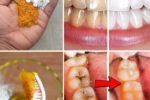
6. turmeric Paste

Why it works:

Curcumin in turmeric is a powerful anti-inflammatory and antibacterial compound.


How to use:


Mix turmeric powder with a few drops of water


Apply paste directly to the tooth


Leave for 30–60 minutes


May stain temporarily but works well for swelling.


7. Apple Cider Vinegar

Why it works:

Raw ACV has antibacterial properties that may reduce pain-causing microbes.


How to use:


Soak cotton ball in diluted ACV


Hold gently against the tooth


Or swish diluted solution briefly and spit


Do not use excessively due to acidity.


8. ginger & Cayenne Paste

Why it works:

Both herbs reduce inflammation and stimulate circulation, easing pressure and pain.


How to use:


The Secret Lemon-Nopal Morning Drink That Melts Bloat, Skyrockets Energy, and Makes You Feel 10 Years Younger by 9 A.M.

Mix equal parts ginger powder and cayenne


Add water to form paste


Apply carefully to tooth


Avoid prolonged gum contact.


9. Peppermint Tea

Why it works:

Menthol provides cooling, numbing, and antibacterial effects.


How to use:


Steep peppermint leaves for 20 minutes


Swish tea in mouth before drinking


For stronger relief, apply diluted peppermint oil locally


Soothing and gentle.


10. Baking Soda

Why it works:

Baking soda balances oral pH and reduces bacterial growth.


How to use:


Mix with water into paste


Apply directly to tooth


Or use as a mouth rinse


Helpful for infection-related discomfort.


Lifestyle Tips to Prevent Toothaches Naturally

Tooth pain often reflects deeper imbalances. Long-term prevention matters.


Use remineralizing toothpaste with nano-hydroxyapatite


Try oil pulling with coconut oil


Eat mineral-rich foods (leafy greens, sesame, almonds, seaweed)


Support vitamin D and magnesium intake


Reduce sugar and acidic drinks


Manage stress to reduce grinding


Schedule regular cleanings with a holistic dentist


The Bottom Line

Natural toothache remedies like clove oil, turmeric, salt water, and herbal oils can offer fast, effective relief — especially when pain strikes unexpectedly.


They don’t merely mask symptoms; they support the body’s natural healing response.


While severe or persistent pain requires professional care, these remedies give you powerful tools to manage discomfort, reduce inflammation, and take greater control of your oral health — on your terms, not just when pain forces you into the dentist’s chair.

Skillet Burrata with Buttery Garlic & Prosciutto Crunch

by


How to Make Skillet Burrata with Buttery Garlic & Prosciutto Crunch

Ingredients

  • 1 whole burrata (room temperature)
  • 4 slices prosciutto
  • 2 tbsp unsalted butter
  • 2 tbsp extra virgin olive oil
  • 2 cloves garlic, finely minced
  • 1 tsp fresh rosemary, chopped
  • 1 tsp fresh thyme leaves
  • Cracked black pepper, to taste
  • Toasted sourdough or ciabatta, to serve

Directions

  1. In a dry skillet over medium heat, cook the prosciutto slices until crisp, about 2–3 minutes per side. Let them cool, then break into shards and set aside.
  2. In the same skillet, melt butter with olive oil. Add minced garlic and cook for 30 seconds until fragrant. Next, stir in rosemary and thyme, cooking for 1 more minute. Remove from heat.
  3. Place the burrata in the center of a shallow dish or small cast-iron skillet. Pour the hot herb-garlic butter directly over it so it sizzles on contact.
  4. Top the burrata with the crispy prosciutto shards and a few cracks of black pepper. Serve immediately with toasted sourdough for scooping and dipping.

How to Serve Skillet Burrata with Buttery Garlic & Prosciutto Crunch

Serve this dish hot and fresh. Place the warm burrata in the center of the table alongside toasted sourdough or ciabatta slices for people to scoop and dip. It makes for a wonderful

sharing dish that everyone will enjoy. You can also serve it as a fancy starter at a dinner party.

If you have leftovers, store them in an airtight container in the refrigerator for up to 2 days. However, it’s best to enjoy this dish fresh, as the textures are optimal right after preparation.

Tips to Make Skillet Burrata with Buttery Garlic & Prosciutto Crunch

  • Make sure the burrata is at room temperature before serving. This allows it to be extra creamy and soft.
  • Keep an eye on the prosciutto while it cooks, as it can burn quickly.
  • Feel free to add more herbs or spices according to your taste.

Variation

You can try adding different toppings such as sun-dried tomatoes, olives, or even a drizzle of balsamic glaze for a twist on this dish.

FAQs

1. Can I use a different cheese instead of burrata?
Yes, you can substitute burrata with fresh mozzarella or ricotta, but the taste and texture will vary.

2. Is this dish suitable for a gluten-free diet?
Yes, just serve it with gluten-free bread or crackers.

3. How can I make this dish vegetarian?
Simply omit the prosciutto and add more vegetables, like sautéed mushrooms or spinach, to add flavor and texture.

Ingredients

Main Ingredients
  • 1 whole burrata (room temperature)
  • 4 slices prosciutto
  • 2 tbsp unsalted butter for the garlic butter
  • 2 tbsp extra virgin olive oil for cooking
  • 2 cloves garlic, finely minced
  • 1 tsp fresh rosemary, chopped
  • 1 tsp fresh thyme leaves
  • Cracked black pepper, to taste
  • Toasted sourdough or ciabatta, to serve

Method
 

Cooking Prosciutto
  1. In a dry skillet over medium heat, cook the prosciutto slices until crisp, about 2–3 minutes per side. Let them cool, then break into shards and set aside.
Preparing Garlic Butter
  1. In the same skillet, melt butter with olive oil.
  2. Add minced garlic and cook for 30 seconds until fragrant.
  3. Stir in rosemary and thyme, cooking for 1 more minute. Remove from heat.
Assembling the Dish
  1. Place the burrata in the center of a shallow dish or small cast-iron skillet.
  2. Pour the hot herb-garlic butter directly over it so it sizzles on contact.
  3. Top the burrata with the crispy prosciutto shards and a few cracks of black pepper.
  4. Serve immediately with toasted sourdough for scooping and dipping.

Nutrition

Serving: 1gCalories: 300kcalCarbohydrates: 20gProtein: 12gFat: 22gSaturated Fat: 10gSodium: 800mgFiber: 1gSugar: 1g

Notes

Make sure the burrata is at room temperature for optimal creaminess. Keep an eye on the prosciutto while it cooks to avoid burning. Feel free to customize with more herbs or toppings like sun-dried tomatoes, olives, or balsamic glaze.